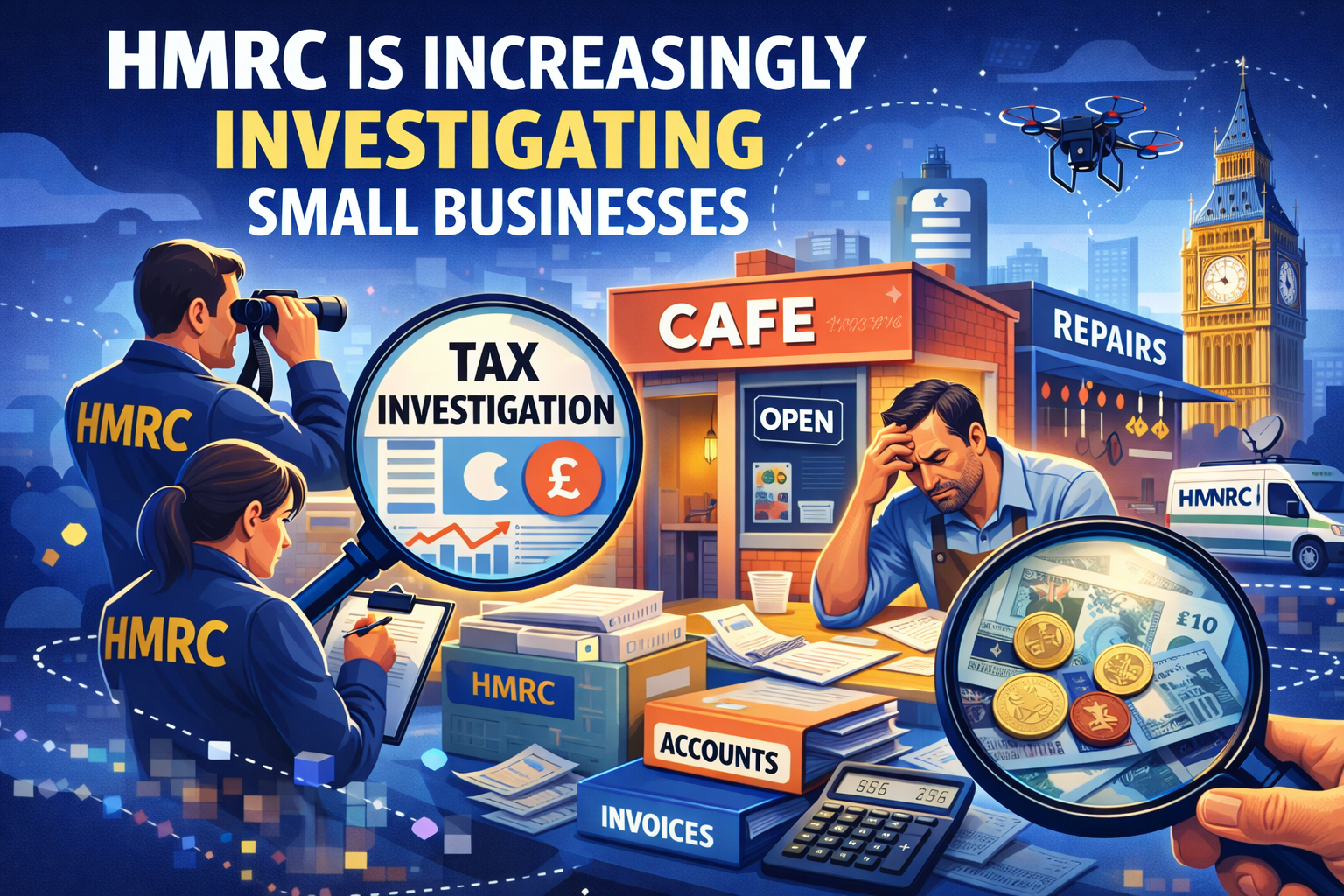
Even filing timely returns and paying taxes in full does not shield businesses from HMRC reviews. These checks may stem from routine compliance procedures or discrepancies flagged by third parties. Understanding the process helps transform compliance reviews into manageable tasks rather than stressful ordeals.
The Numbers Behind the Crackdown
For 2023-24, the tax gap stood at £46.8 billion, representing 5.3% of all tax due. Small enterprises contribute approximately 60% of this shortfall. In response, HMRC received £1.7 billion to hire an additional 5,500 compliance officers. Every £1 spent on tax compliance activity generates approximately £22 in recovered revenue.
Why Small Businesses Are in the Spotlight
Random enquiry programmes revealed that 53% of small companies had errors in their tax returns in 2021-22. Most issues stem from negligence rather than intentional fraud:
- Failure to exercise reasonable care: 31% of the gap
- Genuine mistakes: 15% of the gap
- Deliberate avoidance: only 1.5% of the gap
How HMRC Identifies Businesses to Investigate
HMRC employs advanced technology, including an AI system called Connect, which cross-references information from banks, payment processors, employers, and social media platforms.
Common Investigation Triggers
- Unexplained bank deposits mismatched with declared revenue
- Consistently late or frequently revised returns
- Sudden, unexplained fluctuations in turnover or profits
- Expense deductions substantially exceeding sector benchmarks
- Lifestyle inconsistent with stated earnings
- Operation in elevated-risk sectors: construction, hospitality, e-commerce
Approximately 7% of investigations target businesses selected entirely randomly.
How to Protect Your Business
Maintain Thorough Records
- Self-employed: preserve records for 5 years from January 31 following the relevant tax year
- Limited companies: retain documentation for at least 6 years
- VAT records: 6-year retention and digital maintenance under MTD
Failing to provide records upon request incurs penalties reaching £3,000.
Keep Business and Personal Finances Separate
A dedicated business bank account facilitates accurate income and expense tracking. Commingled finances commonly trigger errors and raise red flags during compliance checks.
Submit Returns Accurately and On Time
Late or frequently amended returns are one of the most common triggers for HMRC attention. Reliable deadline compliance substantially reduces investigation risk.
Document All Expenses Properly
Retain receipts and invoices supporting every business deduction claimed. Unsupported deductions face disallowance and potential penalties.
Work with a Qualified Accountant
Businesses represented by accredited accountants receive more favourable treatment and face lower selection rates for random inquiries.
What Happens If You Are Selected
Upon selection, you receive notification outlining the scope and information requirements. Most small-business compliance checks conclude within a single day. Overpayments trigger refunds with interest. Underpayments require settlement plus interest and potential penalties.
Looking Ahead
Making Tax Digital requirements commence April 2026, coinciding with intensified HMRC resource deployment. The shift towards real-time digital reporting will make it even easier for HMRC to identify discrepancies.
At Ollen Services, we help UK businesses stay compliant and prepared. Contact us at hello@ollenservices.co.uk or call 07513 491 259 for a free consultation.